
Spigot Rings for Hubcentric fitment
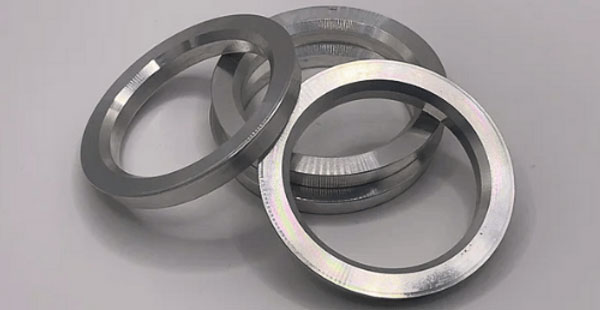
At TT Precision Engineering, we machine precision spigot rings (also known as hubcentric rings) to bridge the gap between a wheel’s centre bore and the hub it’s being fitted to. They’re an essential part of the job whenever an aftermarket or refurbished wheel has a larger centre bore than the vehicle’s hub — ensuring the wheel is centred on the hub rather than relying on the wheel bolts or lug nuts alone.
In short: a spigot ring is a precision-machined collar that fills the gap between a wheel’s centre bore and the vehicle’s hub, so the wheel sits perfectly centred for a smooth, vibration-free fit.
What are spigot rings, and when are they needed?
A spigot ring sits between the hub and the wheel’s centre bore, locating the wheel precisely on the hub before the bolts are ever tightened. Without one, a wheel with an oversized centre bore is “hub-centric” in name only — it relies on the bolts to pull it into position, which can leave it slightly off-centre. Spigot rings are typically needed when:
- Fitting aftermarket alloy wheels with a centre bore larger than the vehicle’s hub diameter
- Moving wheels between different vehicle platforms where hub and bore sizes don’t match
- Correcting a wheel that’s been running bore-centric rather than hub-centric, causing vibration at speed
- Preparing wheels as part of a wider centre bore modification job
How Our Spigot Ring Process Works
- Measurement — We measure the wheel’s centre bore and the vehicle hub diameter to determine the exact ring specification required.
- Material Selection — Rings are produced in a material suited to the application — typically durable engineering plastic or aluminium, depending on load and fitment requirements.
- CNC Machining — Each ring is precision turned on calibrated CNC equipment to a tight tolerance fit, with no play between hub, ring, and wheel.
- Fitment Check — Rings are test-fitted to confirm a snug, secure fit before the wheel is signed off for the road.
Why Hubcentric Fitment Matters
Fitting a wheel that isn’t properly centred on the hub can cause more than just a rough ride. Correct spigot rings deliver:
- Vibration-Free Running — The wheel is centred by the hub, not the bolts, eliminating the wobble that bore-centric fitment can cause at speed.
- Reduced Stress on Wheel Bolts — Bolts are left to do their job of clamping, not positioning, reducing wear and the risk of them working loose over time.
- A Precise, Secure Fit — Tight-tolerance machining means the ring locates the wheel accurately every time, with no rattling or movement.
Commonly Paired With
Spigot rings are often supplied alongside other wheel fitment work:
- Center Bore Modifications — Opening out a wheel’s centre bore to fit a different hub, then sleeving it back to size with a matched ring.
- Offset Adjustments for Alloy Wheels — Getting the wheel sitting correctly once it’s properly centred on the hub.
- PCD Re-Pitching — Converting a wheel’s bolt pattern to suit a different vehicle, where hub sizing also needs addressing.
Built on Precision Engineering Experience
TT Precision Engineering brings decades of CNC machining experience to every ring we produce. Each spigot ring is turned to calibrated tolerances so the finished fit is secure, accurate, and vibration-free — the same standard of accuracy we apply across our wider wheel machining and precision engineering work.
Frequently Asked Questions
What is a spigot ring used for? A spigot ring (or hubcentric ring) fills the gap between a wheel’s centre bore and a vehicle’s hub, so the wheel is centred by the hub itself rather than by the wheel bolts. This gives a more accurate, vibration-free fit.
How do I know if I need spigot rings? If an aftermarket wheel’s centre bore is larger than your vehicle’s hub diameter, spigot rings are needed for a proper hubcentric fit. We can check this against your wheel and hub measurements and confirm what’s required.
Are spigot rings the same as hubcentric rings? Yes — “spigot ring” and “hubcentric ring” refer to the same component. Both describe a precision collar fitted between the wheel’s centre bore and the vehicle’s hub.
What are spigot rings made from? They’re typically machined from durable engineering plastic or aluminium, depending on the vehicle, load requirements, and fitment specification.
Can spigot rings fix wheel vibration? If the vibration is caused by a wheel running bore-centric rather than hub-centric, correctly fitted spigot rings can resolve it. We’d recommend having the wheel and hub checked to confirm this is the cause before fitting.
How much do spigot rings cost, and how long does it take? Cost and turnaround depend on the ring size, material, and quantity required. Contact us with your wheel and hub details for an accurate quote and current lead time.
Get a Quote for Spigot Rings
Whether you need a single set of rings or hubcentric fitment as part of a wider wheel modification, our team can advise on the right specification for your vehicle.
Please GET IN TOUCH… We will be happy to discuss your requirements.
29 Drapers Road, South Woodham Ferrers, Chelmsford, Essex, CM3 5UH
01245 325868 sales@ttprecision.co.uk
